

Luxury minimalist lifestyle trends in Europe: Embracing Elegance and Simplicity
Share this:
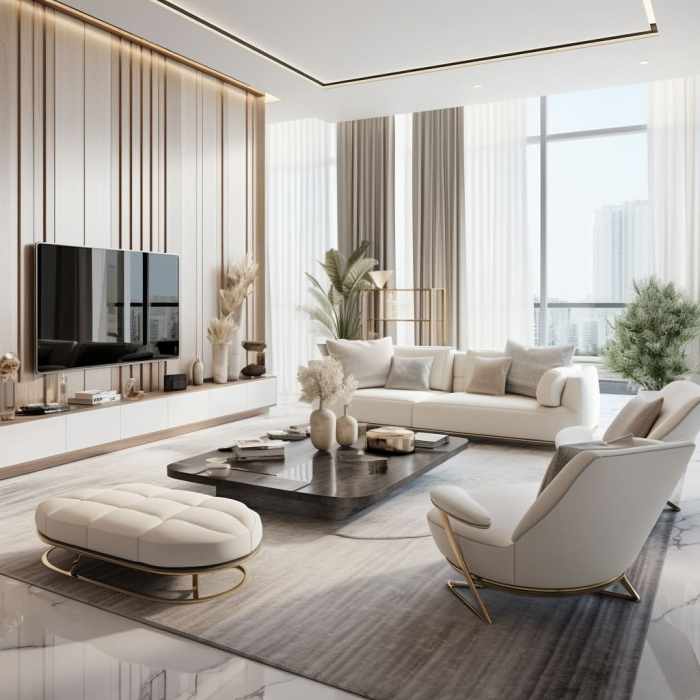
Step into the world of luxury minimalist lifestyle trends in Europe where elegance meets simplicity in a harmonious blend. Discover how this sophisticated trend has captivated the hearts of many across European countries, redefining modern living with a touch of opulence and restraint.
Delve deeper into the realm of luxurious minimalism as we unravel the key characteristics, design elements, sustainability practices, and fashion influences that shape this chic lifestyle movement in Europe.
Overview of Luxury Minimalist Lifestyle Trends in Europe
Luxury minimalist lifestyle in Europe emphasizes quality over quantity, simplicity, and refined aesthetics. It involves owning fewer possessions, focusing on essential items of high quality, and creating spaces that are clean, uncluttered, and elegant.
Key Characteristics of Luxury Minimalist Living in Europe
- High-Quality Design: European minimalist interiors feature sleek lines, neutral color palettes, and premium materials like marble, wood, and leather.
- Functional Spaces: Minimalist homes in Europe prioritize functionality and practicality, with multifunctional furniture and clever storage solutions.
- Sustainable Practices: Luxury minimalism in Europe often incorporates sustainable and eco-friendly elements, such as energy-efficient appliances and recycled materials.
- Clean and Clutter-Free: Minimalist living spaces in Europe are free of unnecessary clutter, creating a sense of calm and tranquility.
- Attention to Detail: European minimalists pay close attention to detail, focusing on craftsmanship, texture, and subtle accents to create a sophisticated look.
Popularity and Growth of Luxury Minimalist Lifestyle in European Countries
Luxury minimalist lifestyle trends have been steadily growing in popularity across various European countries, including Sweden, Denmark, Germany, and the Netherlands. The emphasis on quality, sustainability, and timeless design resonates with many Europeans seeking a more mindful and intentional way of living.
With a focus on simplicity and elegance, luxury minimalism continues to influence interior design, fashion, and overall lifestyle choices in Europe.
Influences and Inspirations
Luxury minimalist lifestyle trends in Europe have been influenced by a rich tapestry of historical roots and cultural inspirations. From the clean lines of Scandinavian design to the opulent simplicity of French luxury, European aesthetics have played a significant role in shaping the minimalist movement.
Iconic European Designers and Architects
Some of the most iconic European designers and architects known for their contributions to luxury minimalist aesthetics include:
Ludwig Mies van der Rohe
The German-American architect known for his famous quote "less is more" and his sleek, minimalist designs.
Dieter Rams
The German industrial designer who worked for Braun and is famous for his "10 principles of good design" which emphasize simplicity and functionality.
John Pawson
The British architect known for his minimalist approach to architecture and interior design, creating serene spaces with a focus on light and materiality.
Art Movements and Historical Events
Art movements like Bauhaus and De Stijl have had a profound impact on luxury minimalist lifestyle trends in Europe. The Bauhaus school, founded in Germany in the early 20th century, promoted the idea of combining fine arts with crafts and embraced minimalism and functionality.
De Stijl, a Dutch artistic movement, focused on geometric forms and primary colors, influencing the development of minimalism in art and design.Historical events such as World War II also played a role in shaping luxury minimalist trends in Europe. The post-war era saw a shift towards simplicity and functionality in design, as people sought to rebuild and move away from excess and opulence.
This period marked the rise of Scandinavian design and the concept of "hygge," emphasizing coziness and comfort in minimalist living spaces.
Design Elements and Aesthetics
When it comes to luxury minimalist interiors in European homes, the design elements and aesthetics play a crucial role in creating a sophisticated and elegant space. From clean lines to a focus on quality materials, these elements define the essence of luxury minimalism.
Essential Design Elements
- Clean Lines: Luxury minimalist interiors are characterized by clean and simple lines that create a sense of openness and sophistication.
- Quality Materials: Using high-quality materials such as marble, wood, and leather adds a touch of luxury to the minimalist design.
- Neutral Color Palette: A neutral color palette consisting of whites, creams, and earth tones creates a calming and elegant atmosphere in luxury minimalist spaces.
- Minimalist Furniture: Furniture pieces with simple and sleek designs are essential in luxury minimalist interiors to maintain a clutter-free and refined look.
Regional Contrasts in Design
In different European regions, luxury minimalist design can vary based on cultural influences and preferences. For example, Scandinavian minimalist interiors may focus more on natural light and functional furniture, while Italian minimalist design may incorporate more luxurious materials like marble and velvet.
Role of Natural Materials
Natural materials such as wood, stone, and metal are often used in luxury minimalist interiors to add warmth and texture to the space. These materials not only enhance the aesthetic appeal but also create a sense of harmony with the surrounding environment.
Importance of Color Palettes and Lighting
The choice of color palette and lighting in luxury minimalist interiors is crucial in setting the mood and ambiance of the space. Soft, neutral colors promote a sense of tranquility, while strategic lighting highlights key design elements and creates a welcoming atmosphere.
Sustainable Practices in Luxury Minimalist Living
Embracing sustainability and eco-consciousness is a key aspect of luxury minimalist living in Europe. Incorporating sustainable practices not only aligns with minimalist principles but also contributes to a greener and more responsible lifestyle.
Use of Eco-Friendly Materials
One common sustainable practice in luxury minimalist homes is the use of eco-friendly materials. Europeans opt for materials such as reclaimed wood, bamboo, cork, and recycled glass to minimize environmental impact. These materials not only add a touch of sophistication to the minimalist aesthetic but also promote sustainability.
Energy-Efficient Solutions
In upscale minimalist homes, energy-efficient solutions play a significant role in reducing the carbon footprint. Europeans install smart home systems, solar panels, and energy-saving appliances to minimize energy consumption and lower utility costs. This integration of technology and sustainability showcases a commitment to eco-conscious living.
Fashion and Beauty Trends
When it comes to luxury minimalist lifestyle in Europe, fashion and beauty trends play a significant role in shaping the overall aesthetic. European fashion houses have long been known for their elegant and understated designs, which seamlessly align with the principles of minimalism.
Luxury Minimalist Fashion in Europe
European fashion houses such as COS, Acne Studios, and Jil Sander are renowned for their clean lines, neutral color palettes, and high-quality materials. These brands incorporate minimalist aesthetics into their luxury clothing and accessories, creating timeless pieces that exude sophistication and simplicity.
Beauty Trends in Luxury Minimalist Living
Beauty trends in Europe also reflect the concept of luxury minimalist living, focusing on natural and effortless beauty. Minimalist skincare routines, neutral makeup looks, and embracing individuality are key aspects of beauty trends aligned with the luxury minimalist lifestyle.
Travel and Leisure Experiences
Embracing a luxury minimalist lifestyle in Europe extends beyond design and fashion choices to the way individuals travel and spend their leisure time. Let's explore the travel preferences and leisure activities associated with this lifestyle.
Luxurious Retreats in Europe
For those seeking a minimalist and upscale travel experience in Europe, there are several popular destinations and luxurious retreats that cater to these preferences. Places like the Amalfi Coast in Italy, the Greek Islands, the French Riviera, and the Swiss Alps offer stunning natural beauty combined with high-end accommodations that emphasize simplicity and elegance.
Adaptation of European Cities
European cities are adapting to meet the demands of luxury minimalist travelers by offering boutique hotels, design-forward accommodations, and experiences that focus on quality over quantity. Cities like Copenhagen, Stockholm, and Amsterdam have seen a rise in minimalist design hotels and experiences that cater to those seeking a refined and curated travel experience.
Concluding Remarks
As we draw the curtains on our exploration of luxury minimalist lifestyle trends in Europe, one thing is clear: the allure of refined simplicity continues to resonate with individuals seeking a harmonious balance between luxury and minimalism. Embrace the essence of this trend and elevate your living spaces with a touch of European sophistication.
FAQ Explained
How is luxury minimalist lifestyle defined in the European context?
Luxury minimalist lifestyle in Europe embodies a blend of opulence and simplicity, focusing on high-quality, understated elegance in living spaces.
Which European designers are known for their contributions to luxury minimalist aesthetics?
Iconic designers such as Arne Jacobsen, Dieter Rams, and John Pawson have made significant contributions to luxury minimalist aesthetics in Europe.
How are eco-friendly practices integrated into luxury minimalist living in Europe?
Europeans adopting luxury minimalist living often incorporate sustainable practices like using eco-friendly materials and energy-efficient solutions in their upscale homes.
What fashion trends are aligned with luxury minimalist lifestyle in Europe?
European fashion houses integrate minimalist aesthetics into luxury clothing and accessories, reflecting the essence of luxury minimalist living.