

Lifestyle changes that improve sleep quality: A Comprehensive Guide
Share this:
Exploring the realm of lifestyle changes that enhance sleep quality, this introduction sets the stage for an enlightening journey. With a blend of informative insights and practical tips, readers are invited to discover the secrets to achieving restful nights and energized mornings.
In the following paragraphs, we will delve into the various aspects of lifestyle adjustments, creating a sleep-friendly environment, establishing bedtime routines, and the impact of nutrition on sleep quality.
Lifestyle adjustments for better sleep quality
Improving sleep quality often begins with making adjustments to our lifestyle habits. By making conscious changes to our daily routines, we can positively impact our sleep patterns and overall well-being.
Establishing a consistent sleep schedule
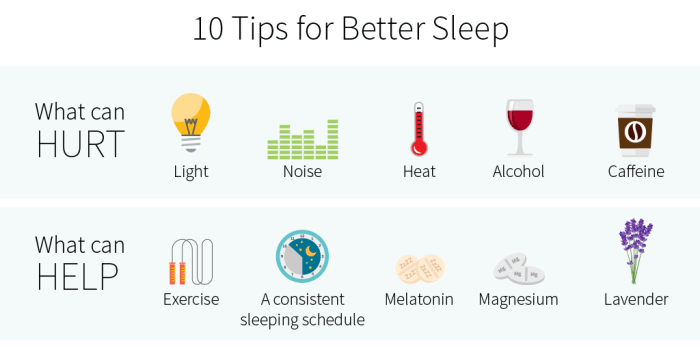
One of the key lifestyle changes for better sleep quality is maintaining a consistent sleep schedule. Going to bed and waking up at the same time each day helps regulate our internal body clock, making it easier to fall asleep and wake up feeling refreshed.
Avoiding stimulants before bedtime
Avoiding stimulants like caffeine and nicotine close to bedtime can also improve sleep quality. These substances can disrupt our natural sleep cycle and make it harder to fall asleep, so it's important to limit their consumption, especially in the hours leading up to bedtime.
Creating a relaxing bedtime routine
Establishing a relaxing bedtime routine can signal to our bodies that it's time to unwind and prepare for sleep. Activities like reading, taking a warm bath, or practicing deep breathing exercises can help calm the mind and promote better sleep quality.
Creating a sleep-friendly environment
Creating a sleep-friendly environment in your bedroom is crucial for promoting quality sleep. By designing your space to be conducive to relaxation, you can improve your sleep quality and overall well-being.
Ideal Conditions for Quality Sleep
To optimize your bedroom for better sleep, consider the following ideal conditions:
- Room Temperature: Keep your bedroom cool, ideally between 60-67 degrees Fahrenheit, as a lower temperature can help signal your body that it's time to sleep.
- Lighting: Ensure your room is dark and free of bright lights, which can interfere with your body's production of melatonin, the hormone that regulates sleep.
- Noise Levels: Minimize noise disturbances by using earplugs or a white noise machine to create a quiet environment for sleep.
Optimizing Bedding and Accessories
When it comes to bedding and sleep accessories, focus on comfort and support to enhance your sleep experience:
- Bedding: Choose comfortable and breathable sheets and blankets made from natural fibers like cotton or linen to help regulate body temperature.
- Pillows: Select a pillow that provides adequate support for your head and neck to prevent discomfort and promote proper alignment while you sleep.
- Sleep Accessories: Consider investing in a quality mattress, mattress topper, or sleep mask to further enhance your comfort and create a relaxing sleep environment.
Establishing a bedtime routine
Establishing a consistent bedtime routine is crucial in improving sleep quality. A bedtime routine helps signal to your body that it's time to wind down and prepare for rest, ultimately leading to better sleep patterns.
Calming activities for bedtime routine
- Reading a book: Engaging in a calming activity like reading can help relax the mind and body, making it easier to fall asleep.
- Practicing meditation or deep breathing exercises: These relaxation techniques can help reduce stress and anxiety, promoting a sense of calm before bedtime.
- Taking a warm bath: A warm bath can help relax muscles and soothe the body, making it easier to drift off to sleep.
- Listening to soothing music: Playing soft, calming music can create a peaceful atmosphere and help you unwind before bed.
Benefits of winding down before bed
Winding down before bed has numerous benefits for improving sleep quality. By engaging in calming activities and creating a relaxing bedtime routine, you can:
- Reduce stress and anxiety levels, allowing for a more restful night's sleep.
- Signal to your body that it's time to sleep, helping to regulate your sleep-wake cycle.
- Promote relaxation and create a peaceful environment conducive to falling asleep quickly.
- Improve overall sleep quality and wake up feeling more refreshed and energized in the morning.
Nutrition and its impact on sleep
When it comes to sleep quality, diet and nutrition play a crucial role in determining how well we rest at night. The foods we consume can have a direct impact on our ability to fall asleep, stay asleep, and the overall quality of our sleep.
Foods that Promote Better Sleep
- Foods rich in tryptophan, such as turkey, nuts, and seeds, can help promote the production of serotonin and melatonin, hormones that regulate sleep.
- Complex carbohydrates like whole grains and fruits can also aid in promoting better sleep by helping to regulate blood sugar levels throughout the night.
- Foods high in magnesium, such as leafy greens, nuts, and whole grains, can help relax muscles and promote a sense of calm before bedtime.
Foods to Avoid for Better Sleep
- Avoid consuming caffeine-containing foods and beverages like coffee, tea, and chocolate close to bedtime, as they can disrupt sleep patterns and keep you awake.
- Avoid heavy, high-fat meals before bedtime, as they can lead to indigestion and discomfort that may interfere with your ability to fall asleep and stay asleep.
- Limit alcohol consumption, as while it may initially make you feel drowsy, it can disrupt the later stages of sleep and lead to fragmented rest.
Conclusive Thoughts
In conclusion, the key to unlocking better sleep quality lies in a holistic approach to lifestyle modifications. By incorporating the tips and strategies discussed, you can pave the way for rejuvenating sleep and improved well-being.
FAQ Overview
Can exercise help improve sleep quality?
Yes, regular exercise has been shown to promote better sleep by reducing stress and anxiety levels.
How does screen time before bed affect sleep?
Exposure to screens before bed can disrupt sleep patterns due to the blue light emitted, so it's best to limit screen time before sleeping.
Is it advisable to take naps during the day to improve sleep at night?
Napping can interfere with nighttime sleep, so it's recommended to avoid long or late naps if you have trouble sleeping at night.