

How to Live a Sustainable Lifestyle in Urban Areas: A Guide to Eco-Friendly City Living
Share this:
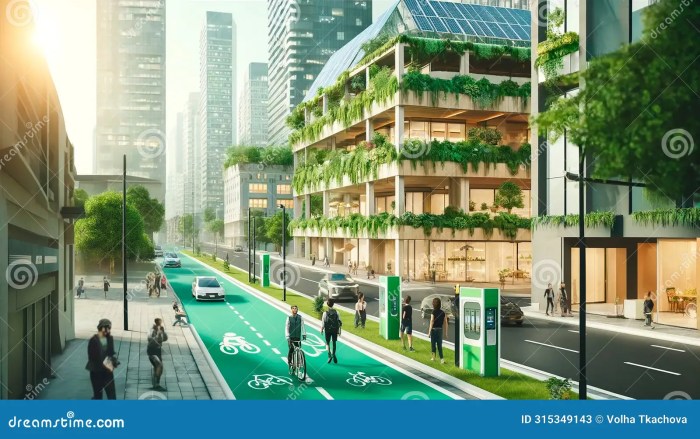
Exploring the realm of sustainable living in urban areas opens up a world of possibilities for environmentally conscious city dwellers. From eco-friendly transportation options to waste management strategies, this guide delves into practical tips and solutions for creating a greener urban lifestyle.
As we navigate through the different aspects of sustainable living in cities, you'll discover how simple changes can make a significant impact on our environment.
Importance of Sustainable Living in Urban Areas
Sustainable living in urban areas is crucial to mitigate the negative impact of our lifestyles on the environment. The rapid urbanization and concentration of people in cities have led to increased resource consumption, waste generation, and pollution levels, making it imperative to adopt sustainable practices to ensure a healthy and livable future for all.
Impact of Urban Lifestyles on the Environment
Urban areas significantly contribute to climate change through various activities such as transportation, energy consumption, and waste production. The high demand for goods and services in cities results in increased carbon emissions, deforestation, and air pollution, further exacerbating global environmental challenges.
- Transportation: The reliance on cars and public transportation in urban areas leads to high levels of greenhouse gas emissions, contributing to air pollution and climate change.
- Energy Consumption: Urban dwellers consume a significant amount of energy for heating, cooling, and powering their homes and businesses, leading to increased carbon footprints and reliance on non-renewable energy sources.
- Waste Generation: The large population density in cities results in substantial waste production, including plastic pollution, electronic waste, and food waste, which pose a threat to ecosystems and human health.
Sustainable Transportation Options
When it comes to living a sustainable lifestyle in urban areas, choosing eco-friendly transportation options is key. By opting for modes of transportation that reduce carbon emissions, you can contribute to a healthier environment and lower your carbon footprint.
Biking
One of the most eco-friendly transportation options in urban areas is biking. Not only does biking help reduce air pollution and traffic congestion, but it also promotes physical activity and improves overall health. By choosing to bike instead of drive, you can significantly decrease your carbon footprint and enjoy the benefits of a more sustainable lifestyle.
Walking
Walking is another excellent sustainable transportation option for urban dwellers. Not only is walking a zero-emission mode of transport, but it also promotes a healthy lifestyle and reduces the need for motor vehicles. By incorporating walking into your daily routine, you can reduce your environmental impact and contribute to a greener, more sustainable urban environment.
Public Transport
Public transportation is a convenient and eco-friendly option for navigating urban areas. By utilizing buses, trains, and subways, you can reduce the number of cars on the road, decrease traffic congestion, and lower carbon emissions. Public transport also helps promote social equity and accessibility, making it a sustainable choice for urban residents.
Eco-Friendly Housing Practices
Living sustainably in urban areas extends beyond transportation to include eco-friendly housing practices. By making simple changes to your living space, you can reduce your environmental impact and contribute to a greener future.
Energy-Efficient Appliances and Lighting
In urban homes, opting for energy-efficient appliances and lighting can significantly reduce electricity consumption. Look for appliances with the Energy Star label, which indicates they meet strict energy efficiency guidelines. LED light bulbs are also a great option as they use less energy and last longer than traditional incandescent bulbs.
Green Building Materials
When it comes to urban construction, using green building materials can have a positive impact on the environment. Examples include recycled steel, bamboo, reclaimed wood, and low volatile organic compound (VOC) paints. These materials are sustainable, renewable, and often have lower carbon footprints compared to traditional building materials.
Waste Management Strategies
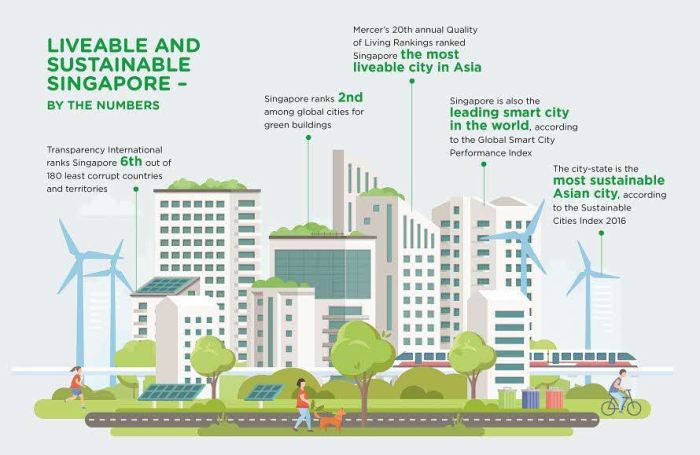
Proper waste management is crucial in urban areas to maintain a clean environment, prevent pollution, and protect public health. Implementing effective waste disposal practices is essential for sustainable living in cities
Recycling and Composting Practices
- Recycling: Encourage separating recyclable materials such as paper, plastic, glass, and metal from regular waste. Set up recycling bins in communities and promote awareness about the importance of recycling.
- Composting: Composting organic waste like food scraps and yard trimmings can reduce the amount of waste sent to landfills. It also creates nutrient-rich soil for gardening and landscaping.
- Community Programs: Support local initiatives and programs that promote recycling and composting, such as community composting sites or neighborhood clean-up events.
Reducing Single-Use Plastic Consumption
- Reusable Alternatives: Opt for reusable shopping bags, water bottles, and containers instead of single-use plastic items. Bring your own utensils and straws to reduce plastic waste.
- Refill Stations: Look for stores or businesses that offer refill stations for products like cleaning supplies and personal care items to minimize packaging waste.
- Awareness Campaigns: Participate in campaigns that raise awareness about the environmental impact of single-use plastics and promote sustainable alternatives.
Sustainable Food Choices
In urban areas, making sustainable food choices is essential for reducing our environmental impact and supporting local communities. By opting for local and organic food options, growing our food in urban settings, and reducing food waste, we can contribute to a more sustainable food system.
Local and Organic Food Options
When living in urban areas, it's important to seek out local and organic food options. This not only supports local farmers and reduces the carbon footprint associated with long-distance transportation but also ensures that you are consuming fresh and healthy produce.
Benefits of Growing Your Food in Urban Settings
Growing your food in urban settings, whether it's on a small balcony or in a community garden, has numerous benefits. Not only does it allow you to have a closer connection to your food and the process of growing it, but it also reduces the need for extensive transportation and packaging, ultimately lowering your environmental impact.
Tips for Reducing Food Waste and Supporting Sustainable Agriculture
- Buy only what you need and try to meal plan to avoid food spoilage.
- Compost food scraps to reduce waste and create nutrient-rich soil for gardening.
- Support local farmers and sustainable agriculture practices by shopping at farmers' markets or joining a community-supported agriculture (CSA) program.
- Choose plant-based options more often to reduce the environmental impact associated with meat production.
- Educate yourself on food labels and certifications to make informed choices about sustainable food options.
Last Recap
In conclusion, adopting a sustainable lifestyle in urban areas not only benefits the planet but also enhances our quality of life. By making mindful choices in transportation, housing, waste management, and food consumption, we can collectively create a more eco-friendly urban environment for generations to come.
Quick FAQs
What are some eco-friendly transportation modes suitable for urban living?
Eco-friendly transportation options for urban areas include biking, walking, and using public transport systems.
How can I make my living space more sustainable in an urban setting?
You can make your urban living space more sustainable by using energy-efficient appliances, eco-friendly building materials, and implementing recycling and composting practices.
What are some tips for reducing food waste in urban areas?
To reduce food waste in cities, consider buying only what you need, composting organic waste, and supporting local and sustainable agriculture.