

How to Handle Vehicle Repairs During Warranty Period
Share this:
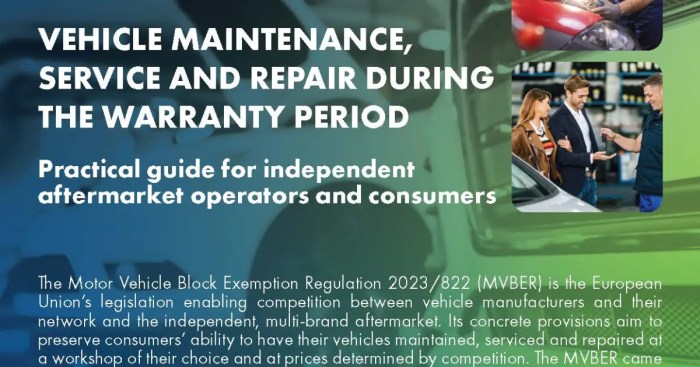
Exploring the ins and outs of managing vehicle repairs within the warranty period, this guide offers valuable insights and practical tips for car owners. From understanding warranty coverage to dealing with post-warranty issues, this comprehensive discussion covers it all.
Understanding Vehicle Warranty
When it comes to vehicle warranties, it's essential to know what is typically covered and the different types of warranties offered by manufacturers. Let's delve into the details to help you better understand your rights and responsibilities.
What a Vehicle Warranty Typically Covers
A vehicle warranty usually covers defects in materials or workmanship that arise during the specified warranty period. This means that if your car experiences issues related to the manufacturing process, the warranty will cover the cost of repairs or replacements.
Types of Warranties Offered by Manufacturers
- Powertrain Warranty: This type of warranty covers the engine, transmission, and other essential components that make the vehicle run.
- Bumper-to-Bumper Warranty: Also known as a comprehensive warranty, it covers almost all components of the vehicle except for wear-and-tear items like tires and brakes.
- Rust/Corrosion Warranty: This warranty protects against rust and corrosion damage to the vehicle's body.
Duration of a Standard Vehicle Warranty
The duration of a standard vehicle warranty is typically around three years or 36,000 miles, whichever comes first. However, some manufacturers offer longer warranties, such as five years or 60,000 miles.
Examples of Common Warranty Terms and Conditions
- Limited Coverage:Some warranties may have limitations on the types of repairs covered or the maximum amount that will be paid for each repair.
- Regular Maintenance:Manufacturers often require owners to perform regular maintenance on the vehicle to keep the warranty valid.
- Transferability:Some warranties are transferable to a new owner if the vehicle is sold within the warranty period.
Importance of Following Warranty Guidelines
Adhering to the manufacturer's guidelines during the warranty period is crucial to ensure that your vehicle remains eligible for warranty coverage. Failure to follow these guidelines can have significant implications on the warranty protection you receive.
Impact on Warranty Coverage
- Any modifications made to the vehicle that are not in line with the manufacturer's recommendations can void the warranty. This includes installing aftermarket parts or accessories that may alter the vehicle's original specifications.
- Failure to perform regular maintenance as Artikeld in the owner's manual, such as oil changes, tire rotations, or brake inspections, can lead to warranty claims being denied.
- Using incorrect fluids or parts during repairs or maintenance can also jeopardize warranty coverage, as it may cause damage to the vehicle.
Benefits of Maintaining Records
- Keeping detailed records of all maintenance and repairs can help provide evidence that the vehicle has been properly cared for according to the manufacturer's guidelines.
- In the event of a warranty claim, having documentation of regular maintenance can support your case and increase the likelihood of the claim being approved.
- Record-keeping can also help you stay organized and ensure that you are staying up to date with the maintenance schedule, ultimately prolonging the life of your vehicle.
Handling Repairs Covered by Warranty
When dealing with repairs covered by warranty, it is essential to follow specific steps to ensure that the process goes smoothly and that you do not end up paying for repairs that should be covered. Here are the key points to keep in mind:
Contacting the Manufacturer or Authorized Repair Center
- When you encounter an issue with your vehicle that you believe is covered under warranty, the first step is to contact the manufacturer or an authorized repair center.
- Provide them with detailed information about the problem you are experiencing and any relevant documentation, such as your warranty card or purchase receipt.
- Follow their instructions on how to proceed, whether it involves bringing the vehicle in for inspection or scheduling a repair appointment.
Ensuring Repairs are Covered Under Warranty
- Before proceeding with any repairs, make sure to confirm with the manufacturer or repair center that the issue is indeed covered under warranty.
- Ask for clarification on what is included in the warranty coverage and what may be considered as additional charges.
- Get written confirmation of the warranty coverage to avoid any disputes later on.
Documenting Repair Requests and Outcomes
- Keep a record of all communication with the manufacturer or repair center regarding the repair process.
- Document the details of your repair request, including dates, times, names of representatives you spoke with, and any promises or agreements made.
- After the repair is completed, verify that the issue has been resolved to your satisfaction and keep a copy of the repair invoice for your records.
Dealing with Warranty Expiration
When a vehicle warranty is close to expiration, it is essential to be prepared for potential issues that may arise post-warranty. Understanding your options and taking proactive steps can help mitigate unexpected repair costs.
Extending Warranty Coverage
One option to consider is extending the warranty coverage on your vehicle. Many manufacturers offer extended warranty plans that can provide peace of mind and financial protection against future repairs. Before your current warranty expires, research and compare different extended warranty options to find the best fit for your needs.
Preparing for Post-Warranty Repair Costs
It is advisable to set aside a budget for potential post-warranty repair costs. By planning ahead and saving for these expenses, you can avoid financial strain when repairs are needed. Regular maintenance and servicing can also help prevent major issues that may require costly repairs.
Conducting a Final Warranty Check
Before your warranty expires, it is crucial to conduct a final warranty check. Review the terms and conditions of your warranty to ensure you understand what is covered and what is not. Address any pending repairs or maintenance tasks to take full advantage of the remaining warranty period.
Wrap-Up
In conclusion, navigating vehicle repairs during the warranty period requires attention to detail and adherence to manufacturer guidelines. By following the steps Artikeld in this guide, car owners can ensure a smooth experience and maximize the benefits of their warranty coverage.
Detailed FAQs
What does a vehicle warranty typically cover?
A vehicle warranty usually covers defects in materials or workmanship, providing repair or replacement of faulty parts.
How can failing to follow manufacturer guidelines impact warranty coverage?
Failing to adhere to guidelines may result in warranty voidance, leaving you responsible for repair costs.
What steps should be taken when a vehicle repair is needed during the warranty period?
Contact the manufacturer or an authorized repair center, ensuring repairs are covered before proceeding.
What to do if a warranty is close to expiration and issues arise?
Consider extending warranty coverage or preparing for potential post-warranty repair costs.