

Eco-conscious lifestyle ideas for modern homes: A Guide to Sustainable Living
Share this:
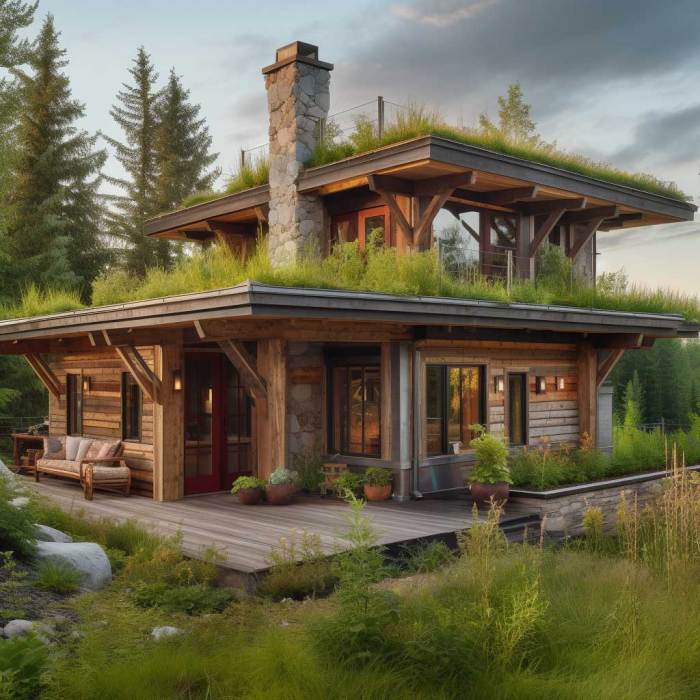
Embark on a journey towards a more sustainable lifestyle with our comprehensive guide on eco-conscious ideas for modern homes. From eco-friendly materials to energy-efficient design principles, discover how to create a healthier living environment while reducing your carbon footprint.
Eco-friendly Materials
Using eco-friendly materials in modern homes is not only a trend but a responsible choice towards sustainability and environmental conservation. These materials offer a range of benefits for both homeowners and the planet. Let's delve into some examples of sustainable materials suitable for modern homes and explore their advantages.
Bamboo
Bamboo is a versatile and sustainable material that is rapidly renewable, making it an excellent choice for home construction. It is strong, durable, and has a beautiful natural aesthetic. Bamboo also absorbs carbon dioxide and releases oxygen into the atmosphere, contributing to cleaner air quality.
Cork
Cork is another eco-friendly material that is harvested from the bark of cork oak trees without harming the tree itself. It is a natural insulator, providing thermal and acoustic benefits to homes. Cork is also hypoallergenic, resistant to mold and mildew, making it a healthy choice for residential spaces.
Recycled Glass
Recycled glass is a sustainable alternative to traditional glass materials. By using recycled glass in home design, you are reducing the demand for raw materials and energy consumption required for glass production. Recycled glass can be used in countertops, tiles, and decorative elements, adding a unique touch to modern interiors.Incorporating these innovative eco-materials like bamboo, cork, and recycled glass in home construction not only reduces the carbon footprint but also creates a healthier living environment for occupants.
By choosing eco-friendly materials, you are not only making a positive impact on the environment but also promoting a sustainable lifestyle for future generations.
Energy-Efficient Design
Energy-efficient design principles focus on reducing energy consumption while maintaining a comfortable living environment. By incorporating smart strategies and technologies, modern homes can significantly lower their carbon footprint and utility bills.
Optimizing Natural Lighting
- Maximize natural light by strategically placing windows and skylights to reduce the need for artificial lighting during the day.
- Use light-colored interior finishes and furnishings to reflect natural light and brighten up living spaces.
- Install light shelves or reflective surfaces to bounce light deeper into the room.
Smart Home Technology for Energy Efficiency
- Invest in smart thermostats that learn your schedule and adjust heating/cooling settings accordingly.
- Utilize smart lighting systems that automatically adjust brightness and turn off when rooms are unoccupied.
- Consider smart appliances that consume energy more efficiently and can be controlled remotely to avoid unnecessary usage.
Geothermal Heating vs Traditional Systems
- Geothermal heating systems use the stable temperature of the earth to heat and cool homes, offering higher energy efficiency and lower operational costs compared to traditional HVAC systems.
- Traditional heating/cooling systems rely on burning fossil fuels or electricity, which contribute to greenhouse gas emissions and are less sustainable in the long run.
- While geothermal systems have higher upfront costs, the long-term savings and environmental benefits make them a more eco-friendly choice for modern homes.
Indoor Air Quality
Indoor air quality plays a crucial role in creating a healthy and sustainable living environment in an eco-conscious home. Poor indoor air quality can lead to various health issues and negatively impact overall well-being.
Common Pollutants in Indoor Air and Ways to Minimize Them
Common pollutants found in indoor air include volatile organic compounds (VOCs) from household products, dust, mold, pet dander, and tobacco smoke. To minimize these pollutants, consider using natural cleaning products, installing air purifiers, maintaining proper ventilation, and reducing clutter that can trap dust and allergens.
Benefits of Incorporating Plants for Air Purification
- Plants act as natural air purifiers by absorbing harmful toxins and releasing oxygen into the air.
- Some air-purifying plants include spider plants, peace lilies, snake plants, and pothos, which can help improve indoor air quality.
- Plants also add a touch of greenery and aesthetics to the living space, creating a calming and inviting atmosphere.
Tips on Maintaining Proper Ventilation for Healthier Indoor Air
- Open windows and doors regularly to allow fresh air to circulate and remove stagnant air indoors.
- Use exhaust fans in kitchens and bathrooms to reduce moisture levels and prevent mold growth.
- Avoid smoking indoors and consider investing in an air purifier with a HEPA filter to trap airborne particles effectively.
Waste Reduction Strategies
In order to reduce waste generation in a modern household, it is important to implement various strategies that promote sustainability and eco-conscious living.
Upcycling: Transforming Waste into Useful Items
Upcycling is the process of converting waste materials or unwanted products into new materials or products of better quality or for better environmental value. By upcycling items that would otherwise be thrown away, you can reduce waste and give new life to old items.
Composting Organic Waste
Composting organic waste in a home setting is a great way to reduce waste and create nutrient-rich soil for gardening. By separating food scraps and other organic materials, you can turn them into compost that can be used to nourish plants and reduce the amount of waste that ends up in landfills.
Recycling Stations at Home
Setting up recycling stations within the home can make it easier to separate recyclable materials from general waste. By having designated bins for paper, plastics, glass, and other recyclables, you can ensure that these items are properly sorted and sent for recycling, reducing the amount of waste that goes to the landfill.
Closing Summary
In conclusion, embracing eco-conscious lifestyle ideas for modern homes not only benefits the environment but also enhances the quality of life for you and your family. By incorporating these practices into your daily routine, you can make a positive impact and contribute to a greener future.
Answers to Common Questions
What are some examples of sustainable materials suitable for modern homes?
Some examples include bamboo, cork, and recycled glass, which are environmentally friendly and durable choices for home construction.
How can I optimize natural lighting in my home to reduce energy consumption?
You can maximize natural light by strategically placing windows, using light-colored paint on walls, and minimizing obstructions to allow sunlight to brighten your space.
What are common pollutants in indoor air, and how can I minimize them?
Common pollutants include volatile organic compounds (VOCs) from paints and cleaning products. To minimize them, opt for natural cleaning solutions and improve ventilation in your home.
What is upcycling, and how does it contribute to sustainable living?
Upcycling is the process of transforming old or discarded materials into something new and useful. By upcycling items instead of throwing them away, you reduce waste and promote sustainability.
How can I effectively manage waste in my home?
You can set up recycling stations for different types of waste, compost organic materials, and actively participate in recycling programs to reduce waste generation in your household.