

Why Regular Tire Rotation Helps Fleet Vehicles Perform Better
Share this:
Exploring the benefits of regular tire rotation for fleet vehicles, this introduction sets the stage for a comprehensive discussion on how this simple maintenance task can enhance performance and safety.
Detailing the importance of tire rotation in maintaining tread wear and overall vehicle health, this overview aims to provide valuable insights for fleet managers and drivers alike.
Importance of Regular Tire Rotation
Regular tire rotation is crucial for fleet vehicles to ensure optimal performance and safety on the road. By rotating tires at regular intervals, it helps in maintaining even tread wear, extending the overall lifespan of the tires, and promoting better fuel efficiency.
Maintaining Even Tread Wear
Tire rotation involves moving tires from one position to another on the vehicle to ensure that they wear evenly. Front tires tend to wear out faster than rear tires due to the weight distribution of the engine in most vehicles.
By rotating tires, it helps in distributing the wear more evenly, prolonging the life of the tires and saving costs on premature replacements.
Impact on Vehicle Performance and Safety
Regular tire rotation not only extends the lifespan of the tires but also enhances the overall performance and safety of fleet vehicles. Even tread wear results in better traction, improved handling, and increased stability on the road, especially during harsh weather conditions.
This, in turn, reduces the risk of accidents and improves the driving experience for fleet drivers and passengers alike.
Benefits of Regular Tire Rotation
Regular tire rotation offers a multitude of benefits that can significantly impact the performance and longevity of fleet vehicles.Improved Traction:Regular tire rotation helps to ensure that tires wear evenly, promoting consistent traction on the road surface. This improved traction can enhance the handling and stability of fleet vehicles, especially during challenging driving conditions such as wet or icy roads.Extended Lifespan of Tires:By rotating tires regularly, fleet managers can prevent uneven wear patterns that can lead to premature tire replacement.
This not only saves on maintenance costs but also extends the overall lifespan of the tires, maximizing their performance and durability.
Handling and Stability Comparison
Regular tire rotation plays a crucial role in maintaining the handling and stability of fleet vehicles. Here is a comparison of the handling and stability of fleet vehicles with and without regular tire rotation:
- With Regular Tire Rotation:
- Even tire wear promotes consistent traction
- Improved handling and stability on various road surfaces
- Reduced risk of hydroplaning or loss of control
- Without Regular Tire Rotation:
- Uneven tire wear can lead to reduced traction
- Potential decrease in handling and stability
- Increased risk of accidents or tire blowouts
Regular tire rotation is essential for maintaining the optimal performance and safety of fleet vehicles on the road. By addressing issues related to traction, handling, and stability, fleet managers can ensure the longevity and efficiency of their vehicles while prioritizing the safety of their drivers and passengers.
Frequency and Timing of Tire Rotation
Regular tire rotation is essential for maintaining the performance and longevity of fleet vehicles. It is crucial to establish a consistent schedule for tire rotation to ensure optimal safety and efficiency on the road.
Recommended Frequency for Tire Rotation
- Experts recommend rotating fleet vehicle tires every 5,000 to 7,000 miles.
- For vehicles that cover shorter distances, rotating tires every 6 months is also a suitable interval.
- However, it is advisable to follow the manufacturer's recommendations for specific vehicles.
Ideal Timing for Tire Rotation
- It is best to schedule tire rotations during regular maintenance checks or oil changes.
- Rotating tires at these intervals helps ensure that the task is not overlooked and is done in a timely manner.
- Consider rotating tires before long trips or seasonal changes to optimize performance.
Importance of Consistent Tire Rotation Schedule
- Following a consistent tire rotation schedule helps promote even tire wear, extending the lifespan of the tires.
- Regular rotations also contribute to better fuel efficiency and overall vehicle handling.
- By adhering to a set rotation schedule, fleet managers can prevent uneven wear patterns that may lead to costly repairs or replacements.
Tire Rotation Process
When it comes to fleet vehicles, proper tire rotation is crucial to maintain optimal performance and extend the lifespan of tires. Let's delve into the tire rotation process for fleet vehicles and understand its significance.
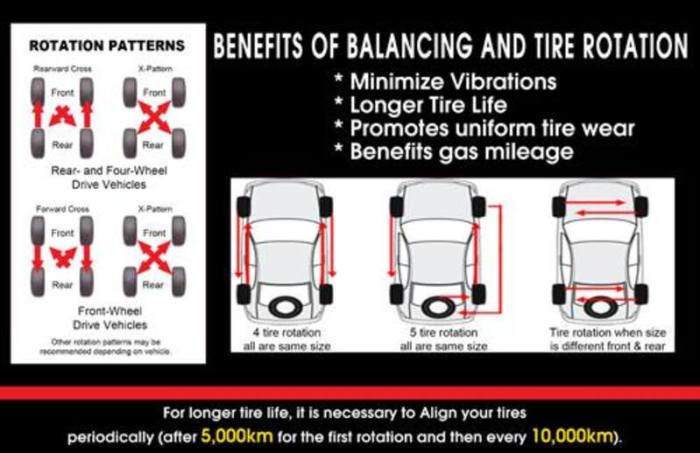
Tire Rotation Patterns
Proper tire rotation patterns involve moving the tires from one position to another on the vehicle to ensure even wear. The most common patterns are front to back and side to side rotations. Front to back rotation helps distribute the wear more evenly between the front and rear tires, while side to side rotation helps balance the wear on the tires from left to right.It is essential to follow the manufacturer's recommendations for tire rotation patterns to ensure uniform tread wear and maximize tire longevity.
Failure to rotate tires correctly can lead to uneven wear, affecting the vehicle's performance and safety.
Considerations for Fleet Vehicles
Fleet vehicles often endure more rigorous driving conditions and higher mileage compared to personal vehicles. As a result, it is crucial to adhere to a strict tire rotation schedule based on the vehicle's usage and load capacity. Regular tire inspections are also essential to identify any signs of uneven wear or damage that may require immediate attention.Additionally, some fleet vehicles may have specific tire rotation requirements based on their configuration, such as front-wheel drive, rear-wheel drive, or all-wheel drive.
It is important to consult the vehicle's manual or a professional mechanic to determine the most suitable rotation pattern for optimal performance.By following proper tire rotation practices tailored to fleet vehicles, businesses can maximize tire efficiency, reduce operating costs, and ensure the safety of their drivers on the road.
Conclusion
In conclusion, regular tire rotation is a key component in ensuring optimal performance and safety for fleet vehicles. By following recommended schedules and patterns, fleet managers can prolong tire lifespan and improve overall driving experience.
Top FAQs
Why is regular tire rotation important for fleet vehicles?
Regular tire rotation helps maintain even tread wear, leading to improved traction, handling, and overall performance of fleet vehicles.
How often should fleet vehicles have their tires rotated?
It is recommended to rotate fleet vehicle tires every 5,000 to 7,000 miles to ensure optimal performance and longevity.
What are the benefits of improved traction from regular tire rotation?
Improved traction enhances the handling and stability of fleet vehicles, especially in challenging road conditions, ensuring better overall safety.
What is the significance of following a consistent tire rotation schedule?
Consistent tire rotation schedules help maintain tire health, extend lifespan, and contribute to better fuel efficiency and driving comfort for fleet vehicles.