

What to Look for in a Commercial Fleet Maintenance Provider: Essential Services and Factors to Consider
Share this:
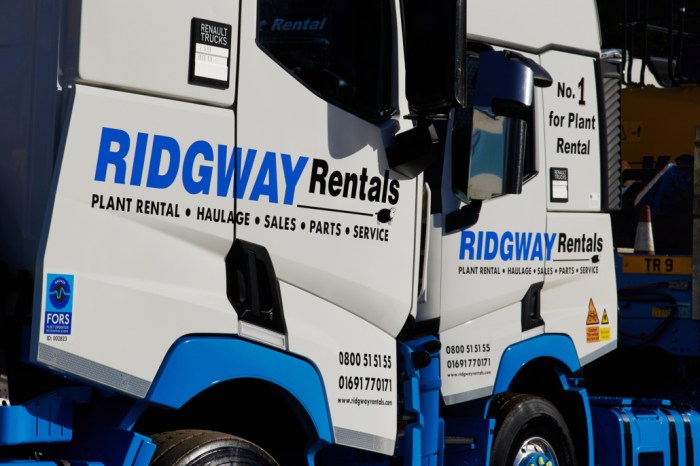
When it comes to selecting a commercial fleet maintenance provider, knowing what to look for is crucial for ensuring the smooth operation of your fleet. From essential services to key performance indicators, this guide will walk you through the critical factors to consider.
As we delve deeper into this topic, you'll gain valuable insights on making informed decisions when choosing a maintenance provider for your commercial fleet.
What to Look for in a Commercial Fleet Maintenance Provider
When selecting a commercial fleet maintenance provider, it is crucial to consider a range of factors to ensure the optimal upkeep of your fleet vehicles. Here are some key aspects to look for:
Essential Services Offered
A reputable commercial fleet maintenance provider should offer a comprehensive range of services, including routine maintenance, emergency repairs, diagnostic assessments, and parts replacement. It is essential to choose a provider that can address all the maintenance needs of your fleet efficiently and effectively.
Certifications and Qualifications
Certifications and qualifications are crucial indicators of a provider's expertise and credibility in the field of commercial fleet maintenance. Look for providers that are certified by relevant industry bodies and possess qualified technicians who are trained to work on commercial vehicles.
This ensures that your fleet is in capable hands.
Experience in Handling Commercial Fleet Vehicles
Experience plays a vital role in the maintenance of commercial fleet vehicles, as these vehicles have unique requirements and operational challenges. A provider with extensive experience in handling commercial fleets will have the knowledge and skills to address issues promptly and effectively, minimizing downtime and maximizing vehicle performance.
Proactive Maintenance Approach
Choosing a provider that adopts a proactive maintenance approach can significantly benefit your fleet operations. A proactive provider will focus on preventive maintenance measures, identifying potential issues before they escalate into major problems. This approach can help extend the lifespan of your fleet vehicles, reduce repair costs, and enhance overall fleet efficiency.
Factors to Consider When Choosing a Commercial Fleet Maintenance Provider

When selecting a commercial fleet maintenance provider, there are several key factors to keep in mind to ensure the smooth operation of your fleet. From pricing models to technological capabilities, each aspect plays a vital role in determining the best provider for your needs.
Comparing Pricing Models
- Providers may offer different pricing models, such as pay-per-service, monthly retainer, or bundled packages.
- Consider the cost-effectiveness of each model based on your fleet size and maintenance needs.
- Look for transparent pricing structures to avoid hidden costs or unexpected charges.
Evaluating Responsiveness and Availability
- Choose a provider that offers 24/7 support to ensure quick response times in case of emergencies.
- Look for providers with a dedicated customer service team that can address your queries promptly.
- Consider the provider's track record in meeting service level agreements and response times.
Role of Technology and Innovation
- Opt for providers that leverage technology, such as fleet management software and predictive maintenance tools, to optimize maintenance schedules.
- Look for innovative solutions like IoT sensors and predictive analytics to prevent breakdowns and improve fleet efficiency.
- Consider the provider's investment in technology and how it aligns with your fleet's needs for advanced maintenance services.
Importance of Location and Coverage Area
- Choose a provider with service locations near your fleet's operational areas to minimize downtime for maintenance.
- Consider the coverage area of the provider to ensure they can support your fleet across different regions or states.
- Look for providers with mobile maintenance units for on-site repairs to reduce the need for towing vehicles to a service center.
Key Performance Indicators for Assessing Commercial Fleet Maintenance Providers
When evaluating commercial fleet maintenance providers, it is essential to consider key performance indicators (KPIs) that can help you gauge their effectiveness and reliability
Uptime and Downtime Tracking
Uptime and downtime tracking are crucial KPIs for assessing the performance of a maintenance provider. Uptime refers to the period when your vehicles are operational and available for use, while downtime is the time when they are out of service due to maintenance or repairs.
By monitoring uptime and downtime, you can evaluate how quickly the provider responds to issues and how efficiently they can get your fleet back on the road.
- Ensure high uptime rates to maximize fleet productivity.
- Minimize downtime through proactive maintenance and quick repairs.
- Track response times to breakdowns to assess provider efficiency.
Data Analytics and Reporting
Data analytics and reporting play a significant role in assessing the quality of service provided by maintenance providers. By analyzing data on maintenance tasks, costs, and vehicle performance, you can identify trends, predict potential issues, and make informed decisions to optimize your fleet operations.
Utilize software solutions for data collection and analysis to improve decision-making processes.
- Review regular reports on maintenance activities and costs to identify areas for improvement.
- Use historical data to forecast future maintenance needs and budget effectively.
- Implement preventive maintenance schedules based on data analysis to reduce unplanned downtime.
Successful KPI Implementation
Implementing KPIs effectively in fleet maintenance operations requires setting clear goals, defining metrics, and establishing monitoring processes. Successful companies often use a combination of leading and lagging indicators to assess both immediate performance and long-term outcomes.
- Track metrics such as maintenance costs per mile, vehicle availability, and repair turnaround times.
- Establish benchmarks based on industry standards or internal performance targets.
- Regularly review KPI data and adjust strategies to improve overall fleet maintenance performance.
Best Practices for Establishing a Long-Term Partnership with a Commercial Fleet Maintenance Provider
Effective communication is key to fostering a long-term partnership with a commercial fleet maintenance provider. By maintaining open lines of communication, you can ensure that any issues or concerns are addressed promptly, leading to smoother operations and better outcomes for your fleet.
Tips for Effective Communication
- Establish regular check-in meetings to discuss ongoing maintenance needs and address any emerging issues.
- Utilize a centralized communication platform to streamline information sharing and ensure all stakeholders are informed.
- Encourage feedback from both parties to continuously improve processes and enhance the partnership.
Aligning Maintenance Goals with Business Objectives
It is crucial to align the maintenance goals of your commercial fleet with the overall business objectives to ensure that maintenance efforts contribute to the success of the company. By setting clear goals and KPIs that are in line with the business strategy, you can maximize the value of your partnership with the maintenance provider.
Establishing a Preventive Maintenance Schedule
- Develop a comprehensive preventive maintenance schedule that Artikels regular maintenance tasks to be performed on each vehicle in your fleet.
- Adhere to the schedule to prevent costly breakdowns and prolong the lifespan of your vehicles, ultimately saving time and money in the long run.
- Utilize maintenance software to automate scheduling and ensure timely maintenance tasks are carried out.
Regular Performance Reviews and Feedback Sessions
Conducting regular performance reviews and feedback sessions with your commercial fleet maintenance provider is essential for identifying areas of improvement and recognizing achievements. By providing constructive feedback and addressing any concerns promptly, you can strengthen the partnership and drive continuous improvement in maintenance operations.
Last Point
In conclusion, understanding the nuances of selecting a commercial fleet maintenance provider can lead to long-term success and efficiency in managing your fleet. By keeping these factors in mind, you can establish a strong partnership that keeps your vehicles on the road and your business thriving.
Frequently Asked Questions
What certifications should a commercial fleet maintenance provider have?
A reputable provider should have certifications such as ASE (Automotive Service Excellence) to ensure they meet industry standards for quality service.
How can I evaluate the responsiveness of a maintenance provider?
You can assess their responsiveness by checking their communication channels, response times to queries, and feedback from other clients.
Why is uptime tracking important when evaluating maintenance providers?
Uptime tracking helps measure how efficiently a provider keeps your fleet operational, minimizing downtime and ensuring smooth operations.
What are the benefits of establishing a preventive maintenance schedule?
Preventive maintenance schedules help prevent unexpected breakdowns, extend the lifespan of vehicles, and reduce overall maintenance costs.